What is EPR Registration for Plastic Waste?
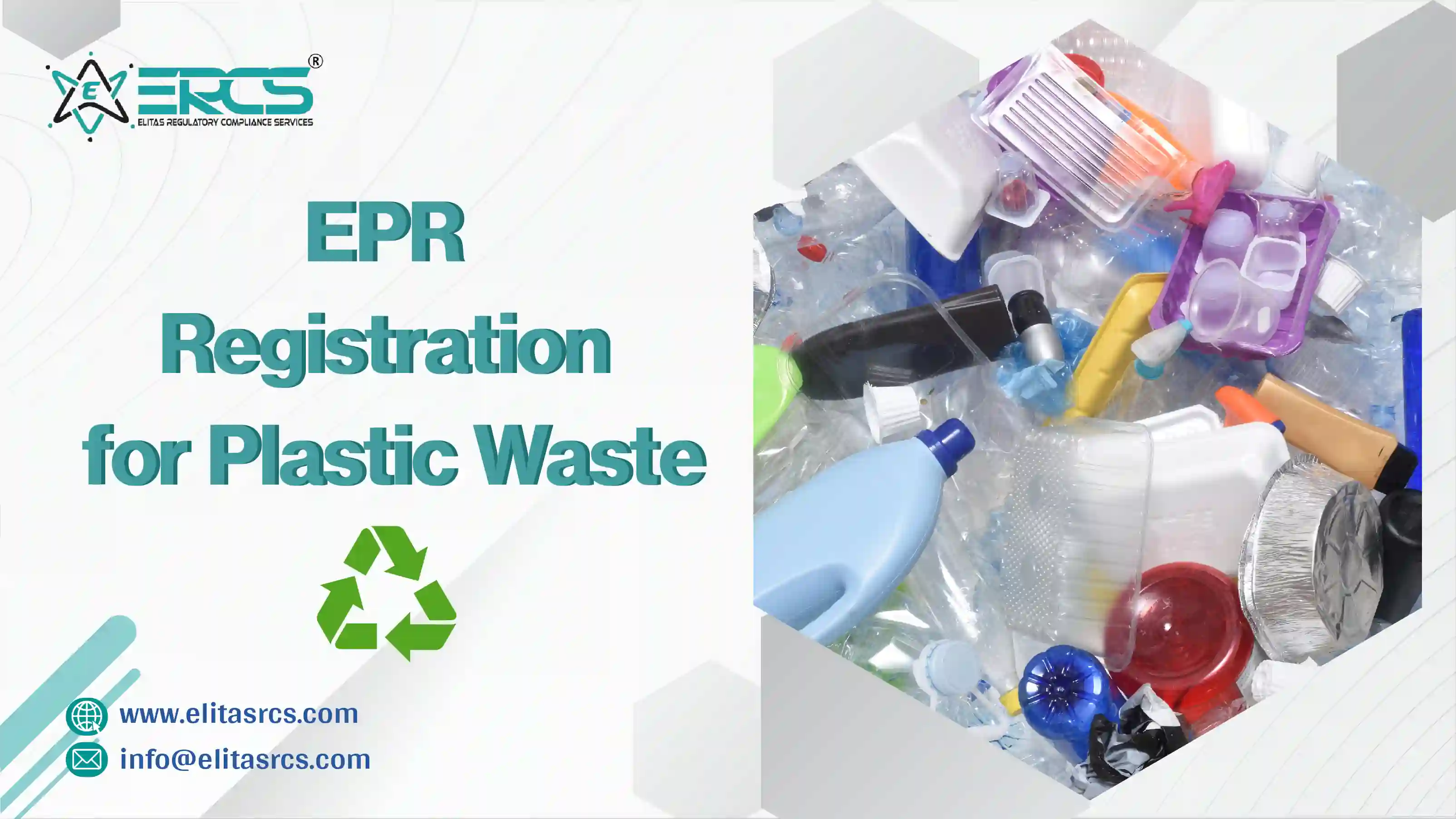
India is a developing nation. India is actively engaged in developing infrastructure, economy, diversity, society and what not. But the nation is facing many problems like climate change, pollution, population growth, deforestation, environmental destruction, waste management etc . Managing Plastic waste is one of the leading issues in India. It has a major environmental impact.
India produces 5.6 tonnes of plastic every year, and managing this huge quantity in itself is a problem. The Government of India has started Extended Producer Responsibility(EPR) under the plastic waste management rule in 2016 and amended it in 2022.
EPR is a driving force for stakeholders like producers, importers, and brand owners to be held responsible throughout the life cycle of the plastic products, including disposable ones. This process would lead to the design of more sustainable and recyclable products, hence management of plastic waste would be effective.
In this blog, we will explore the topic deeply:
Understanding EPR for Waste Management:
EPR is an approach for plastic waste management, which is one of the critical factors in India. This approach addresses the issue of the appropriate disposal of plastic waste onto PIBOS.
According to this approach, producers, importers, and brand owners are answerable for the collection and recycling of the plastic products for maintaining post-consumption waste, too, because they have an effect on design, material quality selection and packaging of their plastic products. EPR encourages the sustainable production of plastic products.
Role of EPR in Plastic Waste Reduction :
EPR plays an important role in reducing plastic waste. Role of EPR in plastic waste reduction:
- Encouraging recycling: EPR ensures the efficient recycling of plastic products, hence the plastic waste is collected properly.
- Uplifting sustainable packaging: PIBOS designs their plastic products for minimising the effect on environment and hence acquiring sustainable packaging will encourage biodegradable waste.
- Minimising landfills: as the plastic waste gets properly recycled it reduces the chances of landfills of plastic waste hence maintain the fertility of the land and conserving the soil.
- Hold producers accountable: Producers are held responsible for the production of their plastic products, leading to proper production and consumption practices.
Key Aspects of EPR in Plastic Waste Management
Know the key aspect at a glance about the EPR for plastic waste. Check in details:
- Motivating sustainable products: EPR motivates PIBOS to manufacture products that follow 3Rs - reduce, reuse and recycle for recovery of plastic.
- Targets: PIBOS are allotted different targets for collecting and recycling of plastic waste based on the quantity of plastic circulated into the market.
- Awareness: EPR process also involves programmes that raise awareness the consumers about the management of plastic and promote sustainable use of plastic products.
- Strategy: PIBOS are supposed to submit their detailed policies for achieving EPR targets.
- Outlining: Describing progress daily towards EPR is essential to maintain clarity, consistency, and accountability.
- Closed-loop production: reuse and regeneration of products as a means of production, but in a sustainable and eco-friendly manner.
Single-use plastics banned in India:
According to the PIB report - Plastic Waste Management Amendment Rules, 2021, under the Ministry of Environment, Forest and Climate Change. Here is a list of single-use plastics that have inferior quality and a strong tendency to litter, which were banned and came into force from July 01, 2022:
- Earbuds with plastic sticks
- Plastic sticks for balloons
- Candy sticks
- Ice cream sticks
- Polystyrene for decoration
- Plastic flags
- Plates, cups, glasses
- Cutlery such as forks, spoons, knives, straws, trays
- Wrapping or packaging films around sweet boxes
- Cigarette packets
- Stirrers
- Invitation cards
- Plastic or PVC banners less than 100 microns
Plastic Packaging Categories Covered Under EPR
These are the four categories of plastic packaging covered under EPR guidelines:
- Category I: Hard plastic packaging, such as containers, plastic bottles, and caps.
- Category II: Bendy plastic packaging of one layer or more than one layer with different types of plastic, like sheets made of plastic, carry bags, sachets, and pouches.
- Category III: Stratified plastic packaging, minimum of one layer of plastic and minimum of one layer of material except plastic, often used in food packaging.
- Category IV: Plastic sheets or like used for packaging, as well as carry bags made of bioplastics.
Documents required for the ERP certificate for Plastic Waste Products
An email ID is necessary to get registered in each category. Let's check the key points of the documents:
- Company’s KYC: PAN Card, GST Certificate, Certificate of Incorporation (CIN), Import Export Code (IEC) for importers, and Partnership Deed (for partnership enterprise).
- Confirmed Person's Details: Aadhar Card, PAN Card, and scanned signature.
- Functioning Documents: Factory License, MSME Certificate, Consent to Operate from SPCB/PCC (if applicable), and process flow diagrams (for producers and PWPs).
- Addenda: Product packaging pictures, covering letter on company letterhead, and any other relevant information the unit wishes to provide.
How to Register for EPR for Waste Management in India
The EPR registration process in India involves the following steps:
- Register on portal: Visit the CPCB EPR and create a login ID by providing the basic necessary details.
- Complete the Application Form: after getting logged in, fill the application form specific to your business category and give details of your plastic use, garbage disposal, and management practices.
- Uploading of Documents: Upload all necessary documents, like GST Certificate, PAN Card, company and authorized person details,and other additional information.
- Waste Management Plan: Prepare and submit the plan of managing the plastic waste and then plastic waste collection, recycling, and disposal, ensuring with EPR guidelines.
- Payment of Registration Fee: Pay the registration fee online via the portal. The fee can vary in size and category.
- Submission of application: Apply, and once it is submitted, a confirmation email is generated.
- Verification and Approval: The CPCB or SPCB will confirm the application and, after satisfaction, they will grant the EPR registration certificate.
What are the benefits of EPR registration for P-Waste
EPR registration for P-Waste offers several advantages:
- Protection of the Environment: As the plastic is managed responsibly, it reduces pollution and conserves natural resources for future use .
- Preventing waste: The guidelines of EPR motivate PIBOs to design products for recycling that lead to waste reduction.
- Regulatory Compliance: EPR registration ensures that businesses operate legitimately and avoid penalties.
- Cut expenses: The waste management practices offered by EPR leads to recycling of waste and this saves capital also.
- Marketing reach: EPR registration promotes market entry that encourages environmental protection and sustainability.
Challenges Faced in EPR Implementation:
EPR implementation faces many challenges:
- Inadequate Infrastructure: Poor infrastructure makes implementation of EPR registration difficult and leads to inadequate collection, recycling and waste management of plastic waste.
- Informal Sector Integration: Incorporating the informal sector into the EPR process is a cumbersome task.
- Consciousness and Knowledge: Lack of education and awareness in PIBOS and consumers is a challenging task. They don't understand the potential advantages.
- Observing and Implementation: Ensuring regular monitoring and implementation of EPR guidelines in various regions.
- Data Accuracy: Faulty data is a challenge as the data mismatches the actual waste management and reported data entry.
Is EPR license only for plastic products?
No, it is not solely for plastic products.
Which bodies are required to register under EPR registration?
The following stakeholders need to register under CPCB Portal of EPR registration.
- Producer(P)
- Importer(I)
- Brand Owner(BO)
- Plastic waste processor involved in recycling, waste-to-energy production, waste-to-oil, and, industrial composting
Does EPR registration help in environmental protection?
EPR license helps in the protection of the environment as it is a sustainable solution for plastic waste management.
Conclusion:
The Indian market is highly dependent on plastic products, but it is necessary to regulate the waste generated. The 3Rs— reduce, reuse and recycle should be the key factors for plastic waste management.
EPR license under CPCB is a regulatory requirement for the stakeholders to maintain sustainability. This process makes sure that PIBOS take charge of environmental protection by responsibly producing plastic products.
It is the responsibility of the PIBOs to get registered under the CPCB portal if the plastic product is covered under EPR. PIBOS can’t trade unless they get EPR registration. It is not only the responsibility of stakeholders to maintain plastic waste, but also consumers should take care of the environment.
Latest Blogs
Request A Quote
Need Expert Advice?
Need Expert Advice?
Feel Free to Connect with Us
Prompt reply within hours
Continued support
To give you the best compliance services in India, experienced BIS certification consultants at ERCS are ready to assist you at every stage of certification. Find out everything you need to know about the compliance your product requires to get into the Indian market and develop a trusted customer base.